 Equitable Economy

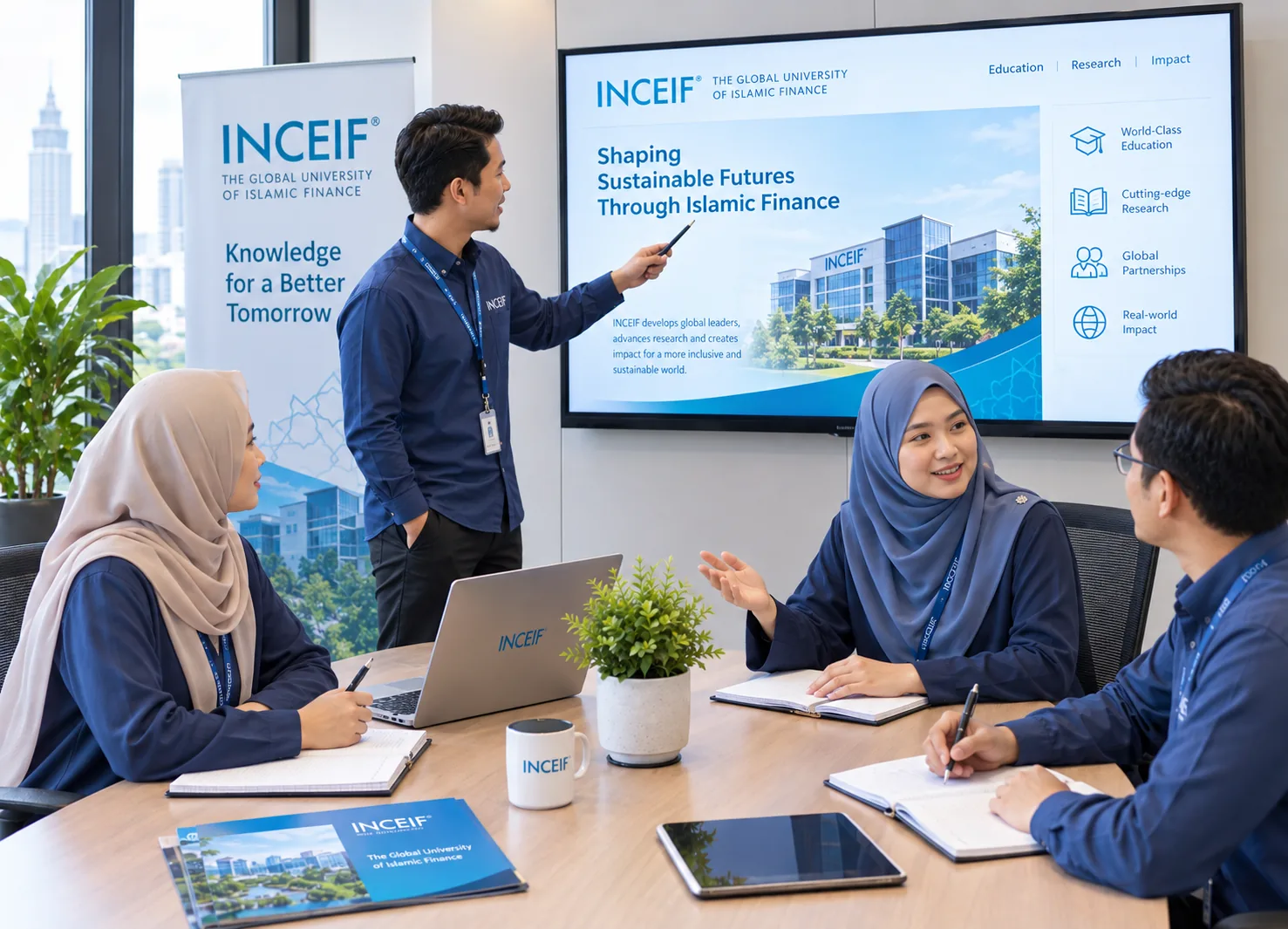
In a meeting room at Universiti Malaysia Sabah (UMS), a research team studies the latest batch of pilot responses. Each questionnaire asks an underlying question that codes of conduct rarely reach: what does an employee actually believe is right? Not the policy that is posted on the office wall, but the moral preference that sits beneath it — the worldview that shapes how work is done, how decisions are made, and how far integrity stretches when the stakes are high.
Malaysia's MADANI framework asks for a society sustained by values — sustainability, care and compassion, respect, innovation, prosperity, and trust. But values are difficult to nurture if they cannot be measured. This is the gap at the heart of the project: to build an instrument that makes ethical preference in the workplace visible, verifiable, and comparable across employees and organisations.
The question the research started with
Could an index be constructed that measures employee ethical preference from an Islamic worldview — a tasawwur rooted in the principles of tawhid, justice, and responsibility — while remaining practical enough for real Malaysian workplaces to use? Over the study, the team translated these principles into survey items, pilot-tested them with working adults, and refined the resulting TASAWWUR-Based Employee Ethical Preference Index, or TAWAP-i.
 Item development and validation sessions grounded abstract ethical principles in concrete workplace scenarios.
The result is not a compliance tick-box. TAWAP-i weighs how strongly employees orient their work around honesty, fairness, accountability, and collective wellbeing — the very preferences the Madani agenda depends on — so that organisations can nurture cultures where performance rests on trust rather than simply on targets.
Values that cannot be measured are values that cannot be managed. TAWAP-i gives organisations a way to see the ethical preferences their people genuinely bring to work. Project Lead, TAWAP-i Research (UMS)
Beyond the index
The same conviction shapes the pillar's wider portfolio. Retirement security research asks how ageing Malaysians can be supported with dignity; zakat evaluation asks how every ringgit of aid reaches those who need it most; and labour market studies ask how work itself can be made fairer. In each case, the goal is the same: to convert research into institutions that people can trust.
None of this works in isolation. TAWAP-i sits alongside the pillar's other projects — zakat effectiveness, retirement security, ageing in place, social entrepreneurship — each one a strand in the same woven goal: an economy whose institutions are fair enough to be believed in. Measuring ethical preference is one more way of asking the pillar's central question: how can fairness become visible in everyday working life?
When we understand what employees genuinely believe, we can begin to design workplaces where good conduct is not an exception, but the norm. Pillar Coordinator, Equitable Economy